
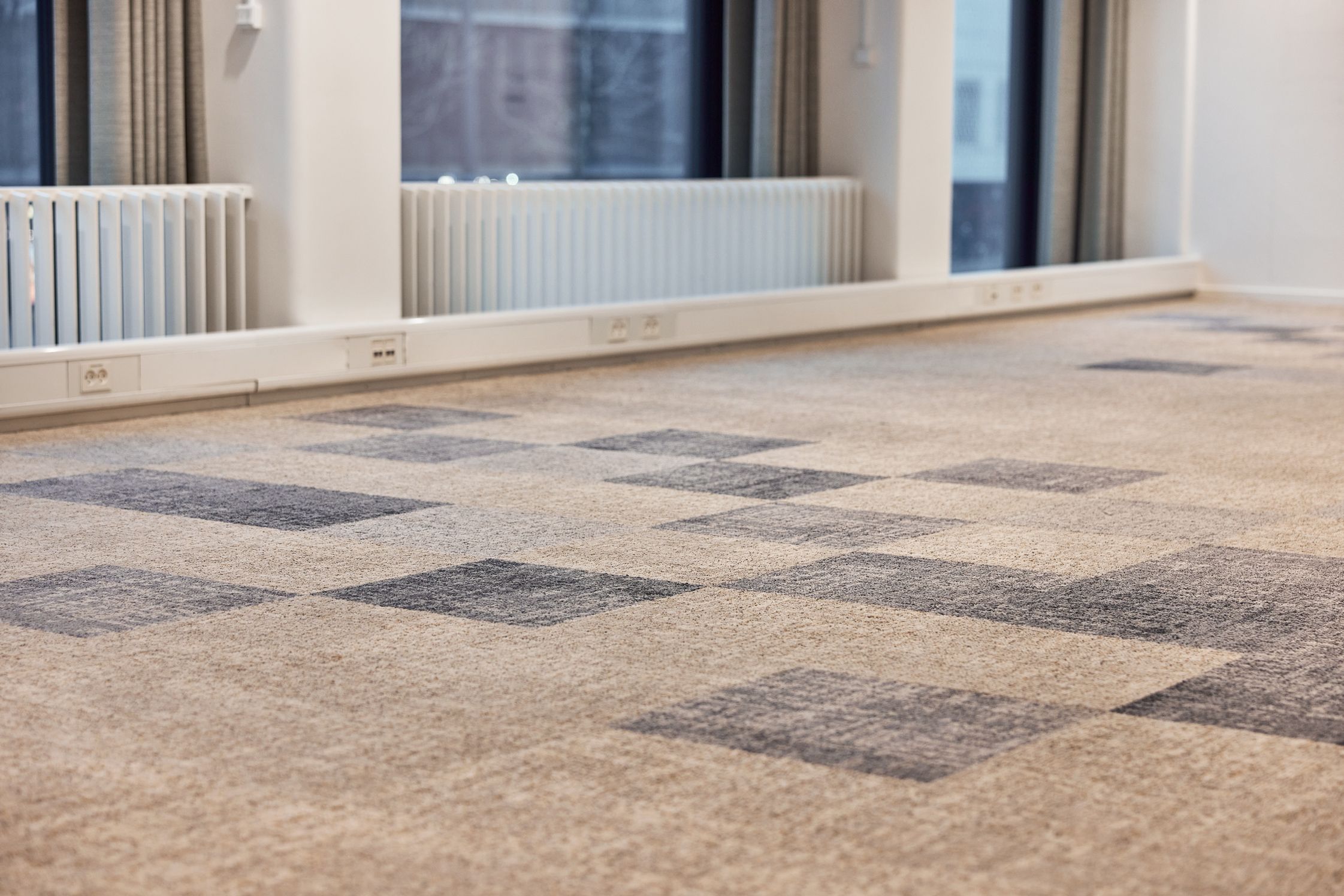
In the heart of Copenhagen, the historic Panoptikon building built in 1950 has long stood as a landmark of architectural heritage and modern working life. For years, the building was home to Arbejdernes Landsbank, where Ege carpet tiles formed an integral part of the interior environment creating comfort, acoustics, and a refined visual identity throughout the office spaces.
Now, the story enters a new chapter.
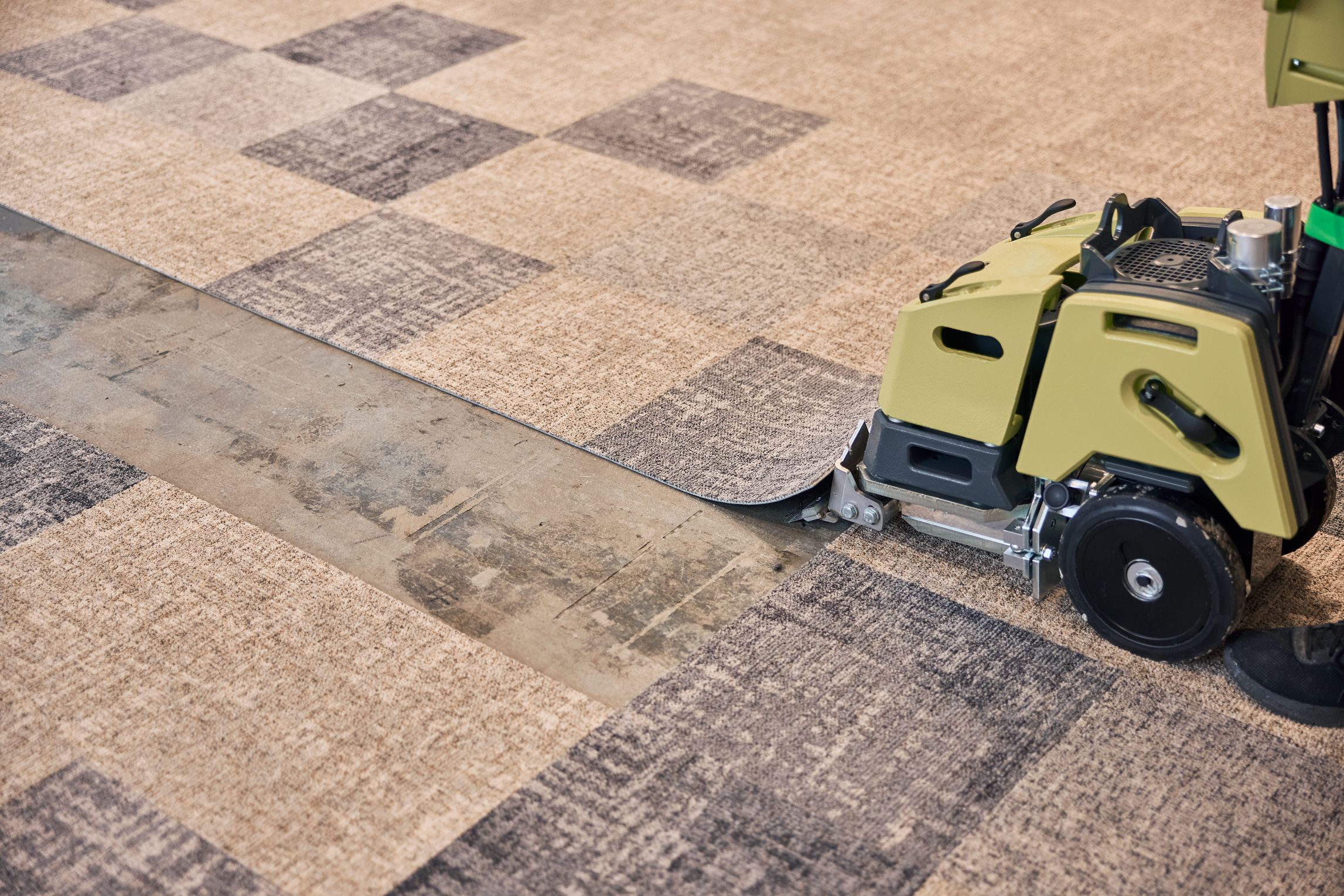
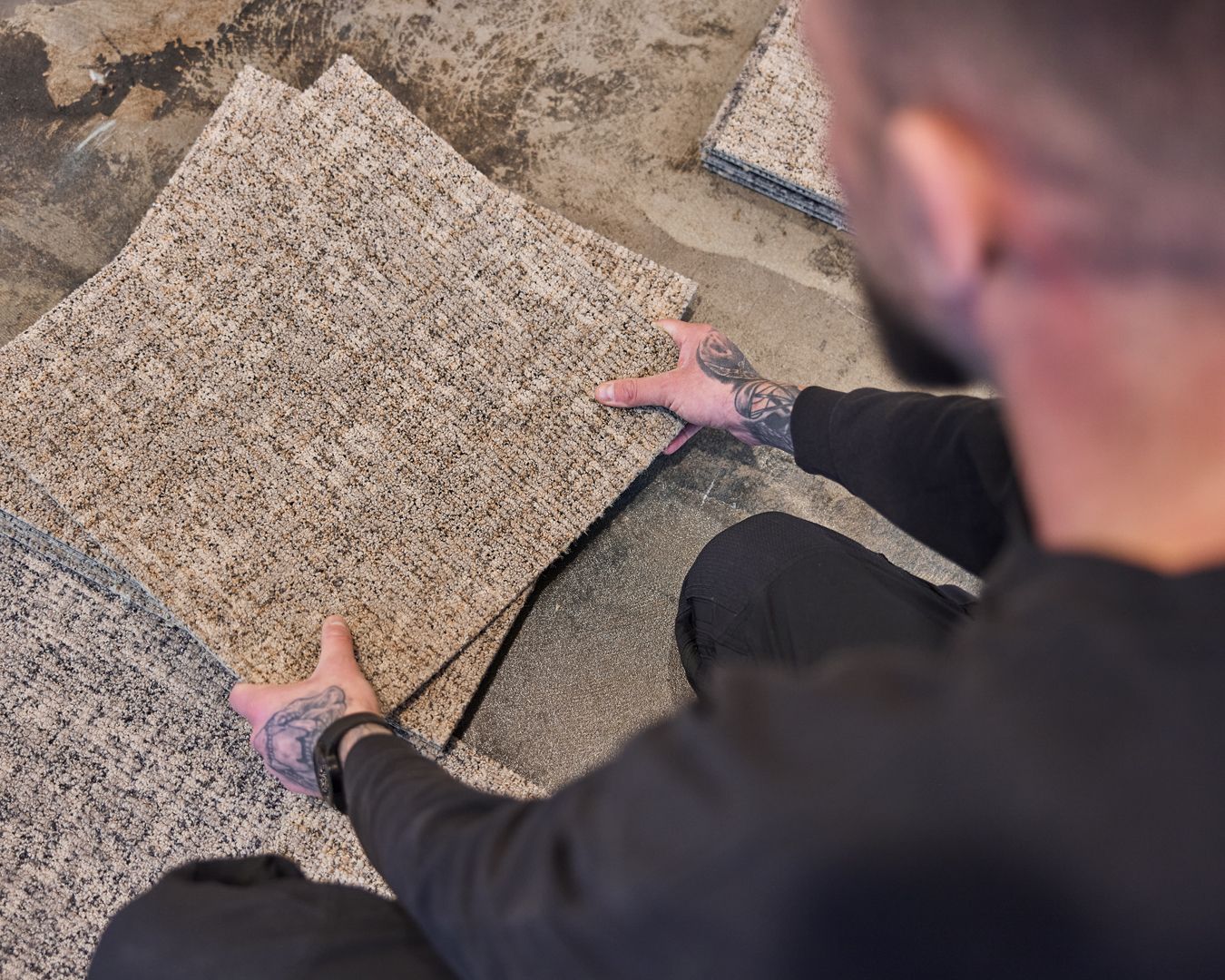
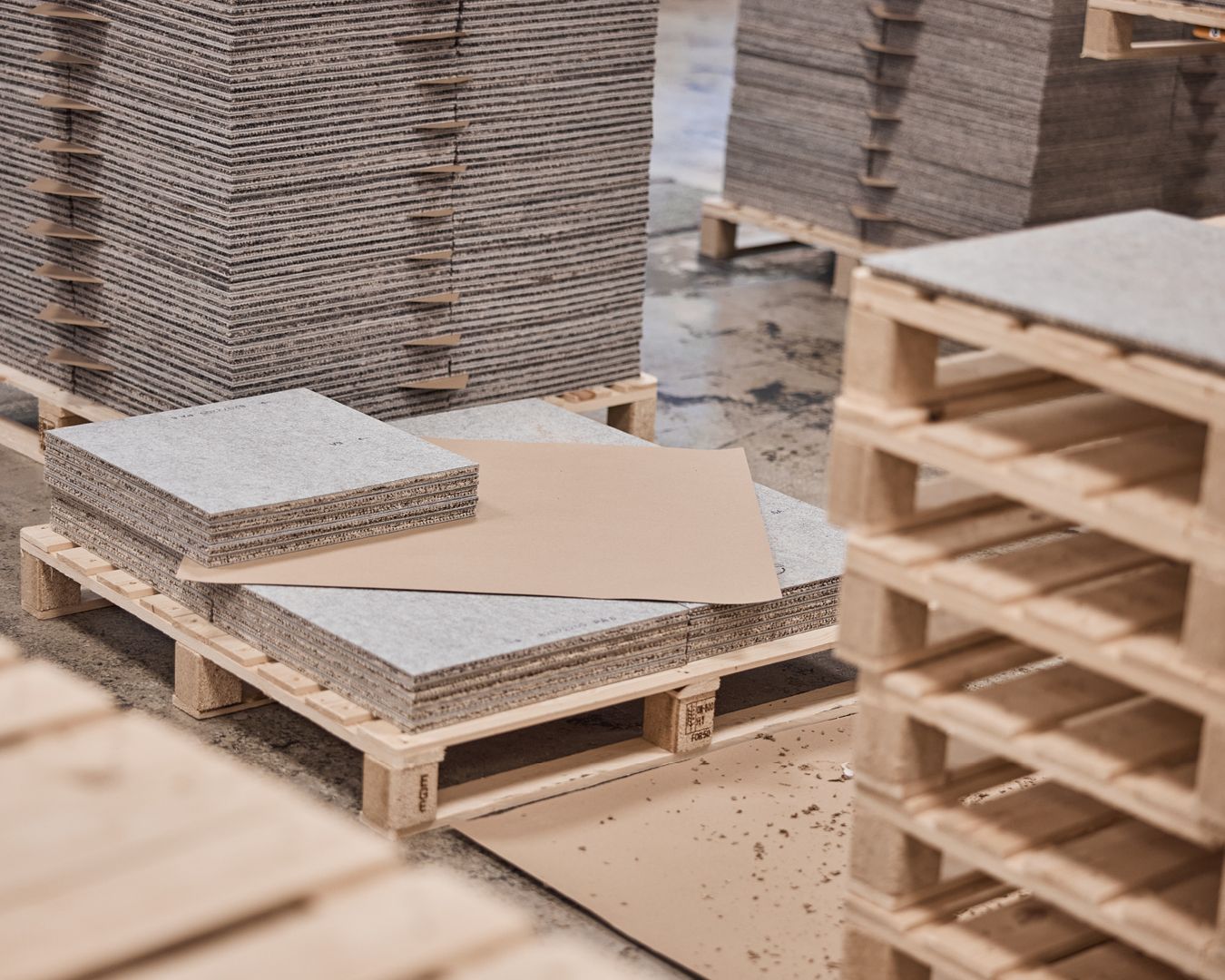
As part of Ege’s ReUse programme, the carpet tiles that once served the Panoptikon building have now returned to Ege. Rather than ending their journey after one lifecycle, the tiles are being brought back into circulation, carefully recovered and prepared for future use in new projects, and a part of the carpet tiles will be used for the intended future use of the Panoptikon.
Key to this process was the careful removal of the flooring as the Panoptikon building was prepared for its next transformation. AKF, responsible for readying the building for a new project, played an important role in ensuring that the carpet tiles could be returned for reuse.
“At Panoptikon, it was important for us to approach the renovation with respect for both the building’s history and the materials already in place. This reflects our broader commitment at AKF to work more responsibly with the resources we already have. Working with Ege’s ReUse programme made it possible to give the existing carpet tiles a new life, rather than removing them from the value chain. It is a strong example of how redevelopment projects can actively support circular solutions in practice. Our collaboration with Ege Carpets throughout the process was very positive, ensuring a smooth execution and that the materials could be efficiently recovered for future use” – Thomas Walcher, Design Manager, AKF
This marks the standard for what circular flooring can look like in practice and is a clear example of how high-quality carpet tiles can be designed not only for performance and aesthetics, but also for longevity and reuse. By reintroducing these tiles into the material loop, we extend their life, reduce waste, and support a more responsible approach to interior design.